
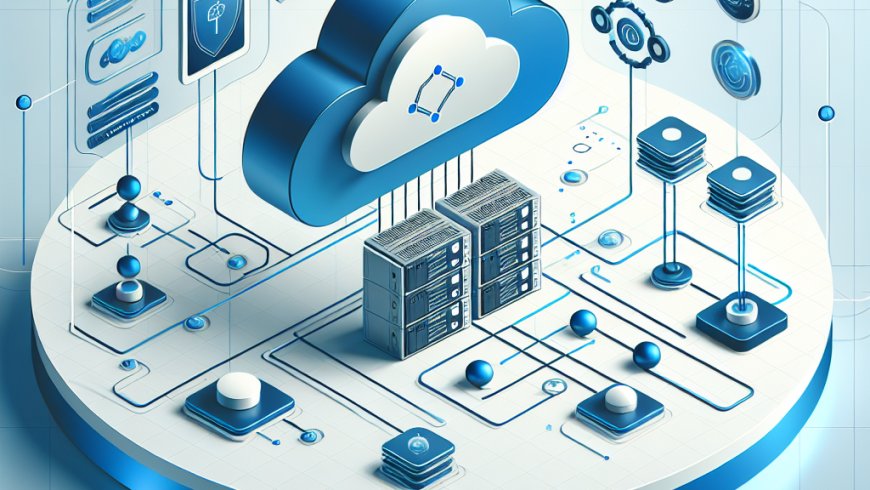
Google Cloud Platform (GCP) provides a $300 free trial credit. Starting from a newbie introductory tutorial, this article introduces GCP basic operations, common services, free resource applications, fee calculations, and security protection, helping you quickly master cloud technology.
GCP Basic Operations and Newbie Introductory Tutorial
GCP Newbie Introductory Tutorial: Registering an Account and Applying for Free Resources
Google Cloud Platform (GCP for short) is a cloud computing platform provided by Google. With the wave of digital transformation coming, more and more enterprises and developers are starting to pay attention to \"how to use GCP.\" Whether you are a newbie just coming into contact with the cloud or an engineer with AWS or Azure experience, GCP can bring you flexible and efficient solutions. This article will take the \"GCP newbie introductory tutorial\" as a starting point, introducing GCP's basic operations, common services, application for free resources, fee calculations, and GCP's advantages in security and enterprise applications in detail. Whether you want to understand the difference between GCP and AWS or want to know the process of deploying a website on GCP, you can find practical information in this article.
For newbies just coming into contact with GCP, the first step is to register a Google Cloud account. Just have a Google account, and you can go to the GCP official website to start registering. After completing registration, Google will provide new users with a free trial credit of up to $300, which is the \"how to apply for GCP free resources\" that many people care about. The application process is simple; just verify a credit card (it won't be charged immediately) to obtain the free credit, allowing you to experience various GCP services. For newbies, this is a low-risk, pressure-free learning and implementation opportunity, very suitable as the starting point of the \"GCP newbie introductory tutorial.\"
How GCP Establishes Virtual Machines: Compute Engine Implementation Tutorial
Establishing a virtual machine (VM) on GCP is the first step for many developers. You can quickly create and manage virtual hosts through Compute Engine. Just enter the GCP console, select \"Compute Engine,\" click \"Create Instance,\" and set the machine specifications, operating system, and region according to needs to complete \"how GCP establishes a virtual machine.\" In addition, GCP also provides default images and custom images, allowing you to quickly deploy various application environments. Such flexibility and convenience make GCP the preferred cloud platform for many developers and enterprises.
GCP Service Introduction and Deployment Practice
What are the Common Services of GCP? Full Analysis of Cloud Applications
GCP provides diverse and powerful cloud services, covering computing, storage, database, AI, machine learning, big data analysis, etc. For example, Compute Engine (virtual machine), App Engine (serverless platform), Cloud Storage (object storage), BigQuery (big data analysis), etc., are the most popular options in \"what are the common services of GCP.\" These services can all be flexibly expanded and support automated deployment and monitoring, allowing enterprises and developers to focus on business development without worrying about infrastructure management. Whether it is website deployment, data analysis, or AI projects, GCP can provide complete solutions.
GCP Website Deployment Process: Full Steps from Development to Online
Want to know the \"GCP website deployment process\"? Actually, it is very simple. First, you can choose to use Compute Engine to deploy a traditional website or utilize App Engine to quickly launch modern web applications. Next, upload the code to GCP, set the domain name and SSL certificate, and pair it with Cloud SQL or Cloud Firestore to manage the database. After deployment is completed, you can also utilize Cloud Monitoring to monitor the website status, ensuring stable operation of services. Such a process is not only efficient but also flexible enough to adjust to different scales and needs, allowing your website to run safely and stably on the cloud platform.
GCP Fees, Security, and Enterprise Applications
GCP Fee Calculation Method: How to Precisely Control the Budget
When choosing a cloud platform, many people care most about the \"GCP fee calculation method.\" GCP adopts a pay-as-you-go model, charging based on the resources used (such as computing time, storage space, network traffic, etc.). You can utilize the fee calculator provided officially by GCP to estimate monthly expenses and conduct cost control. In addition, GCP also has various discount plans, including sustained use discounts and committed use discounts, which can further reduce long-term operating costs. This flexible billing method is quite attractive for start-up companies or large enterprises.
How is GCP Security Guaranteed? Analysis of Enterprise-level Protection Mechanisms
In the cloud era, information security is one of the issues that enterprises value most. So \"how is GCP security guaranteed\"? GCP adopts a multi-layer security architecture, including data encryption, access control, DDoS protection, Identity and Access Management (IAM), etc., ensuring user data and applications are safe and secure. In addition, GCP has also passed multiple international security certifications and continuously conducts security vulnerability scanning and patching. Enterprise users can also conduct risk assessment and compliance management through the security center, significantly reducing cybersecurity risks. These complete protection measures make GCP the preferred cloud choice for high-standard industries such as finance, healthcare, and retail.
GCP Target Audience and Learning Resources
Which Enterprises is GCP Suitable For? Sharing of Industry Application Cases
The answer to the question \"which enterprises is GCP suitable for\" is actually very broad. Whether they are start-up companies, e-commerce platforms, large enterprises, or even government units and educational institutions, they can all benefit from GCP's flexible and diverse cloud services. For example, e-commerce operators can utilize GCP to handle high-traffic activities, while the financial industry can make good use of its high security and compliance. Start-up teams can quickly develop, test, and deploy products, saving infrastructure costs. GCP's flexible architecture and global data centers can meet the digital transformation needs of different industries, becoming the best partner for cloud layout in various industries.
Recommended GCP Learning Resources: Official Courses and Community Resources
To learn \"how to use GCP\" in depth, it is recommended to make good use of the diverse \"recommended GCP learning resources.\" Google officially provides rich teaching documents, online courses (such as Google Cloud Skills Boost), certification exams, and implementation examples. In addition, there are many open-source communities, blogs, YouTube channels, and forums sharing the latest technology developments and practical experiences. Participating in online seminars or community gatherings can also exchange ideas with other GCP users. Through these resources, you can quickly accumulate practical experience, improve cloud skills, and be very practical for both self-study and preparation for certification exams.
FAQ
What is the difference between GCP and AWS?
The differences between GCP and AWS mainly lie in the service ecosystem, pricing strategies, and integration. GCP emphasizes more on data analysis, AI, and big data processing, and has high integration with the Google ecosystem (such as Gmail, YouTube, Android); AWS is known for a wide variety of services and high global market share. When choosing, you can evaluate based on your own needs, budget, and technology stack.
How to apply for GCP free resources? What are the limitations?
New users only need to register a Google Cloud account and bind a credit card to obtain up to $300 in GCP free resources. These credits can be used freely for most GCP services within 90 days, but some advanced services or excessive usage may require extra payment. After the free period ends, services will not automatically deduct fees; you need to decide whether to upgrade to a paid user by yourself.
What are the recommended GCP learning resources?
To learn \"how to use GCP,\" it is recommended to refer to Google Cloud official teaching (Cloud Skills Boost), Coursera, YouTube teaching channels, and local technology communities such as GDG, Cloud Study Jam, etc. These resources cover from basic to advanced, suitable for learners of different levels, helping you comprehensively improve cloud technology capability.


