
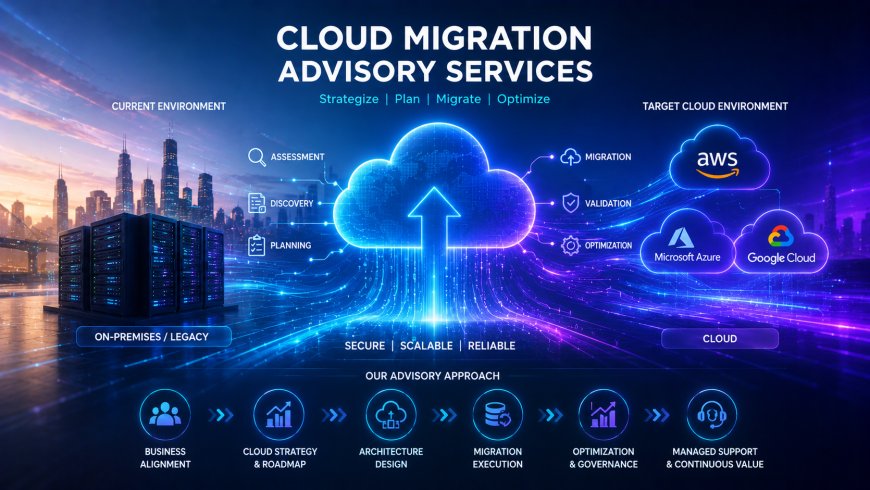
1. Technical Debt and Downtime Risks in Enterprise Migration
Moving decades of legacy systems to the cloud is one of the toughest battles in digital transformation. Challenges include unclear IT asset inventory, massive unmaintained technical debt, and concerns about potential downtime or data loss during the transition. Without a systematic methodology, migration can lead to chaotic architecture, poor performance, and skyrocketing costs.
2. Core Strategy: The 6R Migration Framework
Our team implements the industry-standard "6R Framework" to tailor the best path for your workloads:
- Rehost (Lift-and-Shift): Using automated tools to copy VMware or Hyper-V VMs to the cloud as-is. This is the fastest way to exit an old data center.
- Replatform: Upgrading underlying services during migration. For example, moving self-managed MySQL on VMs to fully managed services like Amazon RDS to reduce future DBA workload.
- Rearchitect / Refactor: Deconstructing monolithic systems into microservices or serverless architectures to maximize cloud-native scalability.
- Retain, Retire, Repurchase: Keeping existing assets that aren't ready to move, decommissioning useless "zombie" systems, or switching to SaaS services.
3. Seamless Migration Tools for Heterogeneous Environments
We are experts in native migration tools like AWS Application Migration Service (MGN) or Google Cloud Migrate to Virtual Machines for real-time block-level sync. For databases, we use AWS DMS to perform heterogeneous conversions (e.g., Oracle to PostgreSQL) with zero downtime, ensuring data flows safely from on-premises to the cloud.
4. Zero-Downtime Transition and DevOps Adoption
Our value lies in "reshaping," not just "moving." We perform extensive PoCs and cut-over drills to ensure zero downtime. Furthermore, we help your team adopt Infrastructure as Code (Terraform) and CI/CD automation, transforming traditional IT into an agile DevOps engineering team.